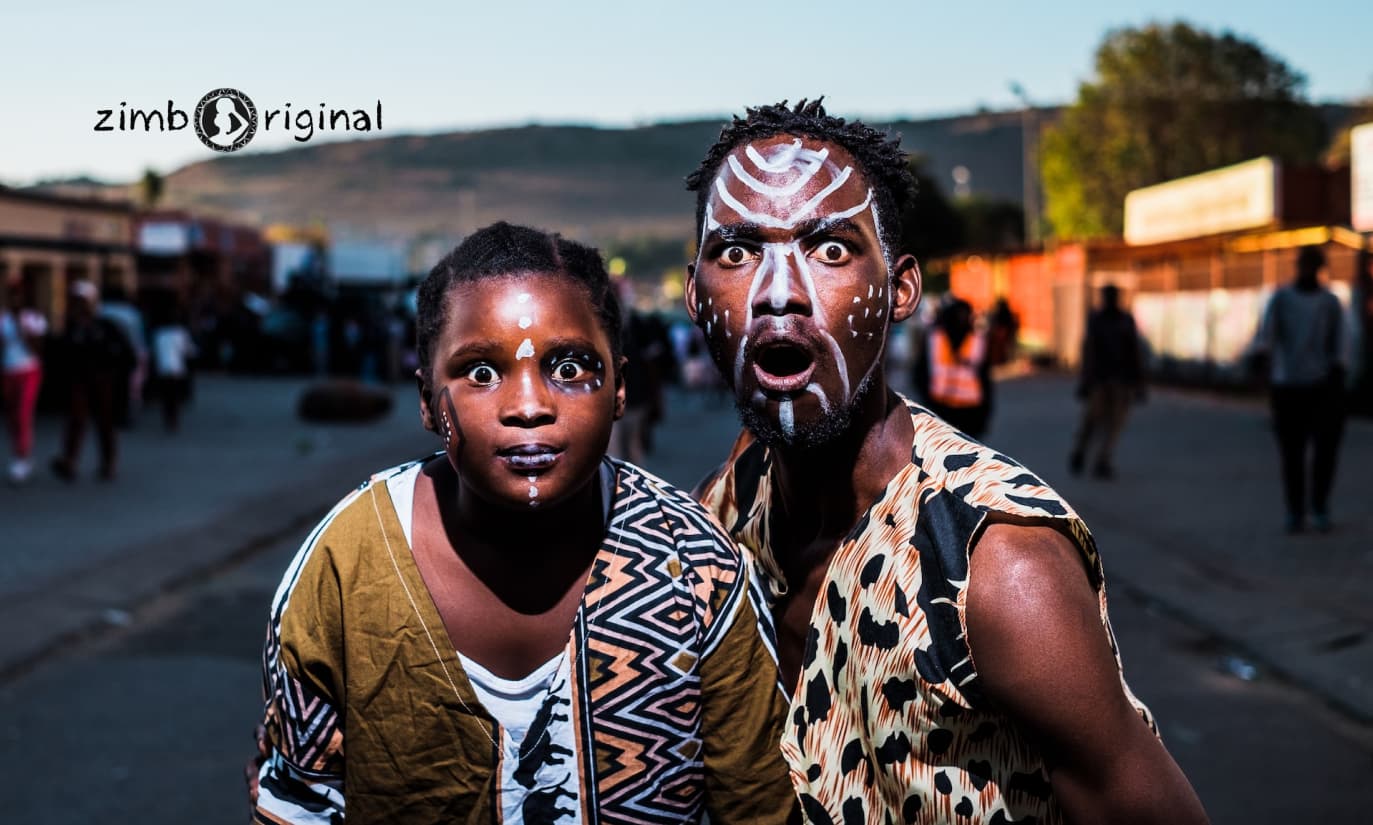
Zimboriginal is a knowledge platform created to preserve and share Zimbabwean culture, language, and heritage through stories and structured learning.
The original brief was focused: design and build a learning management platform for Zimboriginal's Shona culture and language courses. As the work progressed, the strength of the learning experience led to a broader engagement to rethink the organisation's publishing platform before launch.
The challenge
The platform's primary audience included children, but its stories and courses also needed to remain useful and credible for adults. That created a careful design challenge: the experience had to feel warm and approachable without becoming childish, and informative without becoming overwhelming.
Working closely with the Zimboriginal team over two weeks, we refined the typography, navigation, and content hierarchy. Letterforms were considered for younger readers, while every screen was structured to make longer stories and learning material comfortable to follow.
Discoverability was equally important. Valuable cultural knowledge can only create impact when people can find it, so we strengthened the publishing structure and search foundations while giving the team a straightforward way to manage and update its content.
One connected content experience
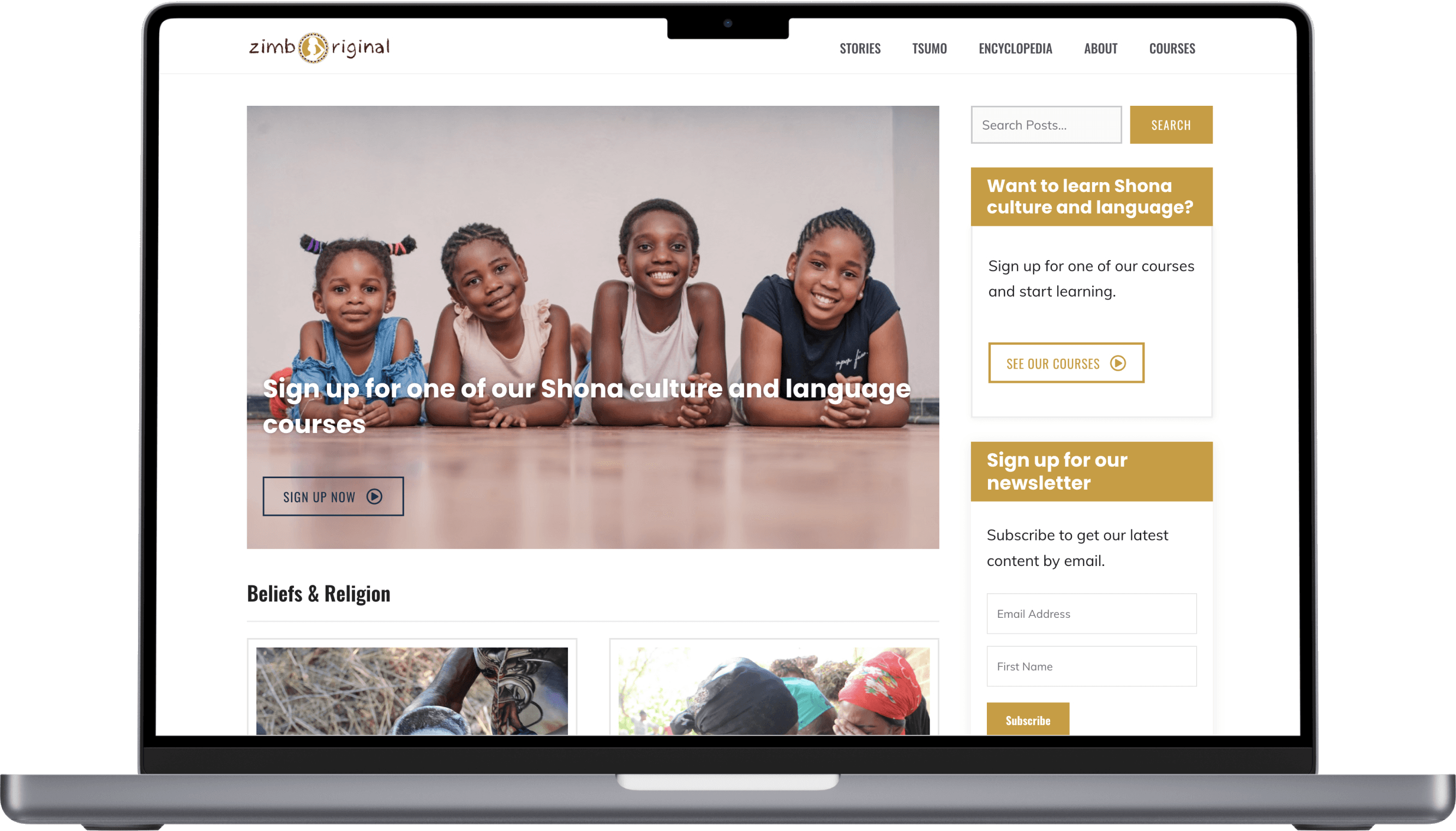
The redesigned desktop experience brought stories, search, course discovery, and audience sign-up into one clear system. Editorial content could introduce visitors to Zimbabwean culture and guide them naturally towards deeper learning, rather than making the blog and courses feel like separate products.
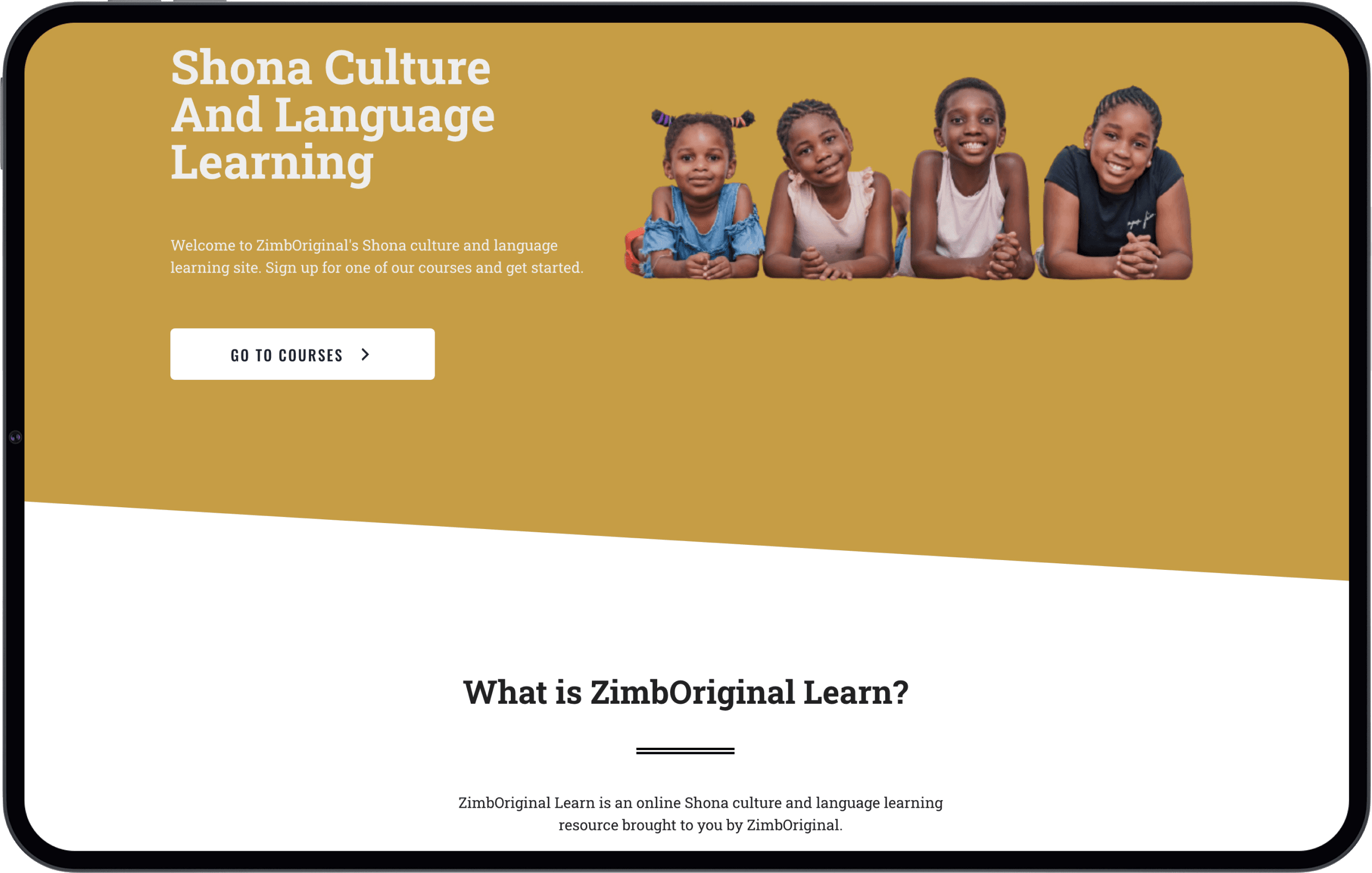
Designed for learning anywhere
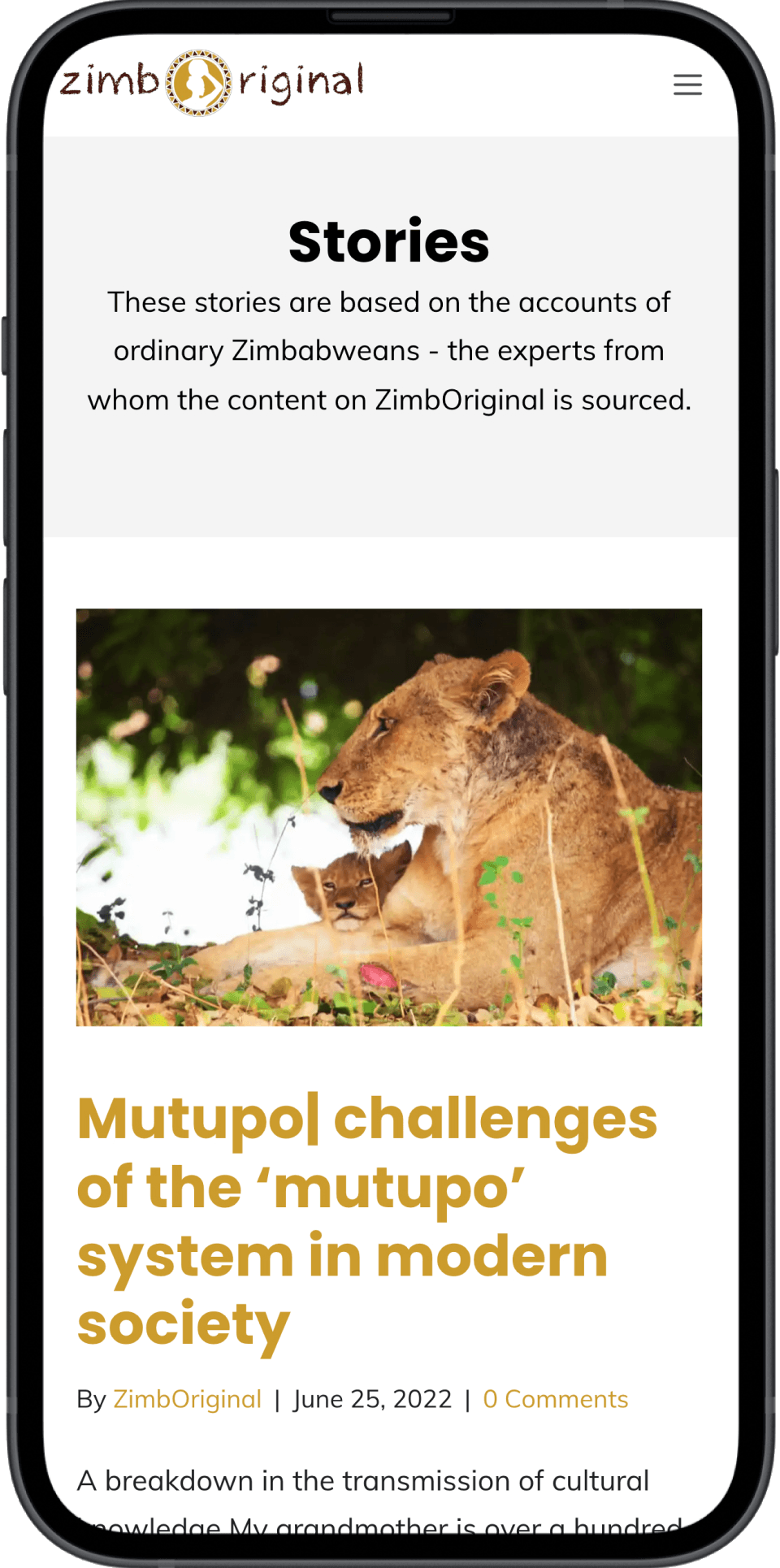
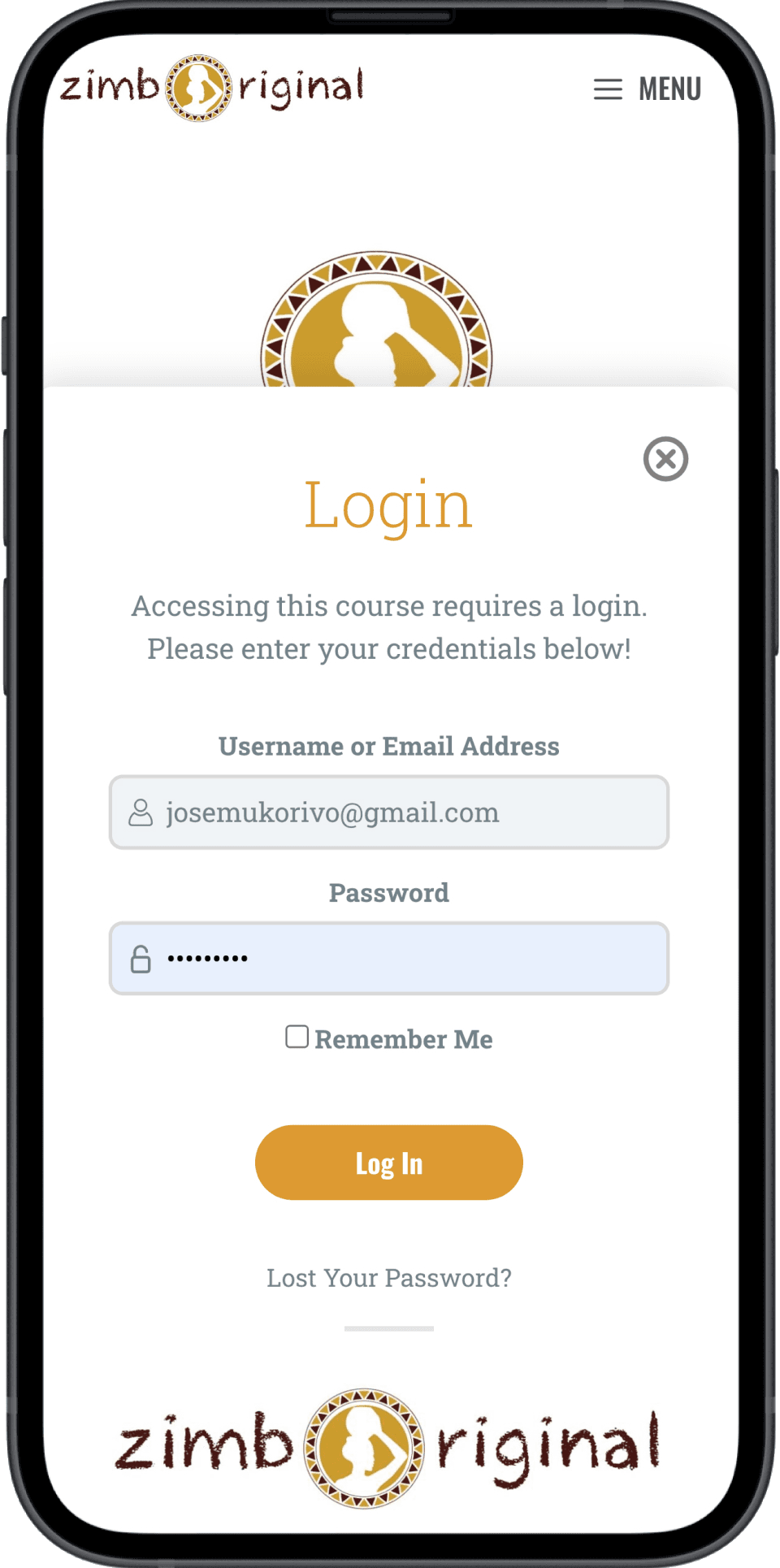
On smaller screens, we simplified navigation and protected readability across long-form stories, account access, and course content. The mobile experience was designed as a first-class part of the platform, making it easier for people to read, learn, and return from whichever device was available to them.
The impact
The project gave Zimboriginal one connected foundation for publishing and learning. The team went on to develop multiple courses, creating more opportunities for people to learn about Zimbabwean heritage, language, and communities.
The publishing experience became faster, responsive, easier to update, and better structured for discovery through Google search. More importantly, culturally significant knowledge became easier to encounter—whether someone arrived through a search result, read a story on their phone, or joined a structured course.